When Home Moves, Judgement Stays: The Terms of a Long-Distance Client Relationship
For a family-run firm, a client's move is rarely a commercial event alone. It arrives in the post as a change of address, or in conversation as a tentative enquiry: would it be possible to carry on? The question deserves a considered answer, not a reflex. Continuity is part of what we sell, but it is not a licence to pretend that distance changes nothing.
Start with the client's reason, not the software
Some clients move for work, some to be near children, some to a smaller house after bereavement. Each has a different need. One may want the comfort of a familiar voice reviewing an annual tax position; another may need a local executor, a solicitor who can attend a hospital, or an accountant familiar with a new jurisdiction. Before discussing video platforms, establish what the client believes they are retaining. Is it judgement, memory, convenience, or simply the wish not to explain their family history to a stranger? Write down the answer. It belongs in the file and, where the scope has changed, in a revised engagement letter.
The mechanics of a proper remote service
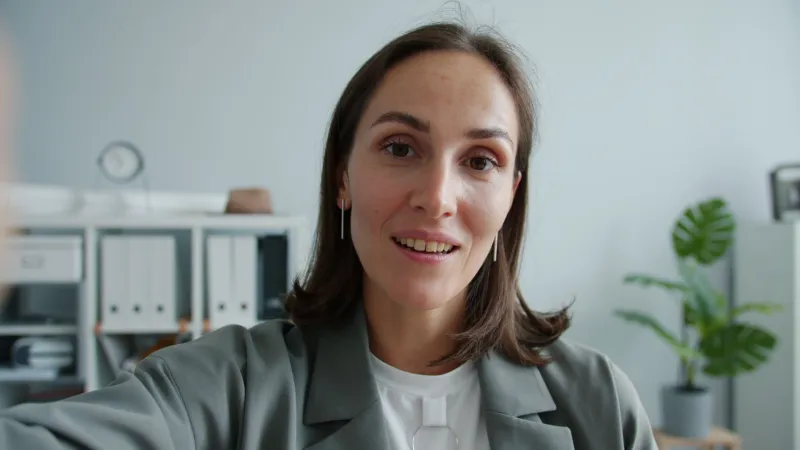
Remote advice is not a lesser form of advice, but it is a different form. Meetings should have an agenda and papers sent in advance, so that the conversation is not spent watching a screen-share. Identity should be confirmed at the outset, particularly where instructions concern money, property or inheritance. The firm should know who else is in the room; a silent spouse or an adult child listening off-camera can alter the nature of the discussion. Notes should record not only what was agreed but how it was agreed.
Secure document sharing matters. A family firm should use a portal or encrypted service rather than inviting clients to send signed deeds as email attachments. Retention and deletion should follow the firm's policy, not the convenience of a shared drive. Where the client is overseas, time zones and local public holidays should be respected in scheduling. The telephone remains a valid instrument; a formal letter remains, in some matters, the right one.
Local professional contacts are not an admission of failure. They are part of doing the job properly. A firm can retain oversight of the family's overall position while instructing a solicitor near the client to witness documents, a local accountant to deal with a foreign tax return, or a surveyor to inspect a property. The client should be told who is doing what, who is paying whom, and where responsibility lies. A loose network of favours is not a substitute for a clear referral.
Where distance becomes a limit
Every firm has a boundary. A UK adviser can serve a client in Scotland, Wales or Northern Ireland, but the law and practice differ, and the firm must know where its competence ends. Overseas, the boundary is sharper. Property, succession, matrimonial finance, care funding and tax residence can each turn on local rules. A firm that pretends distance makes no difference is not being loyal; it is being careless.
There are also practical limits. A client who is vulnerable, hard of hearing, or without reliable internet may be poorly served by a screen. A matter requiring original signatures, court attendance or a physical inspection cannot be conducted at arm's length. Where the firm cannot do something well, it should say so promptly and help the client find someone who can. That is not a lost client; it is a preserved relationship on honest terms.
The pull of continuity
Clients often ask to stay because starting again is tiring. They do not want to retell the story of a family business, a difficult will, or a parent's care. That emotional pull is real and should be acknowledged. But reassurance must not shade into overstatement. The kindest answer is usually a clear one: here is what we can continue to do, here is what should be handled locally, and here is how we will keep the two joined up.
A sensible arrangement might involve an annual review by video, a standing authority for the firm to speak to a local solicitor, and a named person at the firm who holds the family's history. The client should know who will answer the telephone and who will take over if that person is unavailable. Continuity is not a promise that nothing will change; it is a promise that change will be managed.
A relationship that earns its distance
Since 1978, this firm has seen clients move house, move county and move abroad. The relationships that endure are not those in which distance was ignored. They are those in which it was discussed, priced, documented and reviewed. A client for life is not a slogan to be printed on a website. It is a working arrangement, renewed each time the facts change.
Families who move away are not asking for a favour. They are asking whether the adviser they trust can still be useful. The answer should be yes where it can be given truthfully, and no where it cannot. That is what it means to serve a family, rather than a postcode.